
Indian Agriculture: A Comprehensive Overview
Indian Agriculture: A Comprehensive Overview
1. Introduction
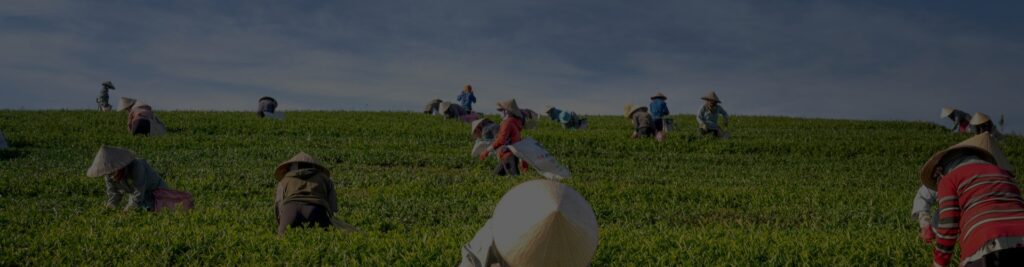
Agriculture in India is more than an economic activity—it is a way of life for over half of the population. Despite contributing a relatively small share to the country’s GDP compared to industry and services, agriculture remains central to India’s socio-economic fabric. This write-up explores the historical evolution, current landscape, critical challenges, and the vast opportunities within Indian agriculture.
2. Historical Overview: Agriculture in Ancient and Pre-Modern India
2.1 Ancient Period (Pre-500 BCE)
India’s agricultural legacy dates back to the Indus Valley Civilization (circa 7000 BCE), where evidence of organized farming, irrigation systems, and domesticated animals has been found. Crops like barley, wheat, peas, sesame, and cotton were cultivated.
2.2 Vedic and Mauryan Periods (1500 BCE – 200 CE)
The Vedic texts mention crop rotation, ploughing, and rainfall prediction. The Mauryan Empire (322–185 BCE) had a well-structured agricultural system with state involvement in irrigation and storage facilities.
2.3 Medieval Period (1200–1757 CE)
The Delhi Sultanate and the Mughal Empire saw both growth and challenges in agriculture. Land revenue systems like the Zabt and Ryotwari influenced crop choices and farming patterns. Irrigation expanded under rulers like Firoz Shah Tughlaq.
2.4 Colonial Period (1757–1947)
British policies led to the commercialization of agriculture, often at the cost of food security. Cash crops like indigo, cotton, tea, and opium were promoted over food grains, leading to famines. The Permanent Settlement and Zamindarisystem caused exploitative landlord-tenant relationships.
3. Post-Independence Developments
3.1 Initial Years (1947–1965)
India faced food shortages and depended on imports (notably PL-480 wheat from the US). Key institutional reforms included:
- Abolition of Zamindari system
- Community development programmes
- Establishment of the Indian Council of Agricultural Research (ICAR)
3.2 Green Revolution (1965–1985)
The Green Revolution was a turning point:
- High-Yielding Varieties (HYVs) of wheat and rice
- Use of chemical fertilizers and pesticides
- Investment in irrigation (canals, tubewells)
- Mechanization (tractors, threshers)
Impact:
- India became self-sufficient in food grain production.
- Punjab, Haryana, and Western UP saw exponential growth.
- Increased rural income and reduction in hunger.
Concerns:
- Regional disparity in agricultural growth.
- Environmental degradation: soil fertility loss, water table depletion.
3.3 Diversification and Liberalization Era (1985–2000)
- Shift from cereals to horticulture, dairy, and poultry.
- Introduction of National Agricultural Policy (2000).
- Entry of private players in seeds, fertilizers, and agri-business.
- Focus on agro-export zones and contract farming.
4. Present Scenario of Indian Agriculture
4.1 Structural Overview
- Contribution to GDP: ~15–18%
- Employment Share: ~43%
- Net Sown Area: ~141 million hectares
- Cropping Intensity: ~142%
- Irrigation Coverage: ~48% of net sown area
4.2 Major Crops
- Cereals: Rice, wheat, maize, millet
- Pulses: Gram, tur, urad
- Cash Crops: Cotton, sugarcane, tea, coffee
- Horticulture: India is the 2nd largest producer globally.
- Livestock & Dairy: India is the largest milk producer in the world.
4.3 Key Initiatives
- PM-KISAN: Direct income support to farmers
- e-NAM: Electronic National Agriculture Market
- Soil Health Cards: Promoting balanced nutrient use
- Pradhan Mantri Krishi Sinchai Yojana (PMKSY): “More crop per drop”
- Fasal Bima Yojana: Crop insurance scheme
5. Gaps and Challenges in Indian Agriculture
5.1 Structural Challenges
- Fragmented Landholdings: 86% are marginal (<2 ha)
- Low Productivity: India lags behind global leaders in yield per hectare.
- Poor Irrigation Infrastructure: Still dependent on monsoons.
- Soil Degradation: Excessive chemical use, salinization, and erosion.
5.2 Financial and Institutional Weaknesses
- Low Credit Access: Many farmers depend on informal lenders.
- Subsidy Inefficiencies: High subsidy burden without corresponding gains.
- Inadequate R&D: Public investment in agri-research is low.
5.3 Market and Price Volatility
- APMC Inefficiencies: Restricts market access.
- Price Fluctuations: Volatile MSP (Minimum Support Price) implementation.
- Poor Storage Facilities: Post-harvest losses ~20–30% in perishables.
5.4 Climate and Environmental Risks
- Climate Change: Irregular rainfall, droughts, floods.
- Groundwater Depletion: Especially in North-west India.
- Loss of Biodiversity: Monocropping and extinction of indigenous varieties.
6. Opportunities for Transformation
6.1 Technological Advancements
- Precision Agriculture: Use of GPS, drones, IoT for farm monitoring.
- Artificial Intelligence (AI): Predictive analytics for weather, crop disease.
- Biotechnology: Development of climate-resilient and pest-resistant crops.
6.2 Digital and Market Reforms
- Agri-Tech Startups: Over 1,000 startups offering services from soil testing to logistics (e.g., DeHaat, Ninjacart).
- Digital Platforms: Farmer advisory, real-time pricing, supply chain optimization.
- FPOs (Farmer Producer Organizations): Improving bargaining power.
6.3 Diversification and Value Addition
- Horticulture, Floriculture, and Medicinal Plants: High value, low acreage.
- Organic Farming and Exports: Rising global demand.
- Food Processing: India processes only ~10% of its produce—huge scope.
- Dairy, Fisheries, Poultry: Sunrise sectors for employment and income.
6.4 Policy Innovations
- Agri Infrastructure Fund (AIF): Investment in farm-gate and logistics infra.
- Climate-Resilient Farming: Incentives for natural, zero-budget farming.
- Land Leasing and Tenancy Reforms: Bringing informal arrangements under legal ambit.
7. The Road Ahead: A Vision for 2047
7.1 Key Goals
- Doubling Farmers’ Incomes: A goal set by the government, yet to be realized.
- Sustainable Agriculture: Shift towards regenerative and climate-smart practices.
- Digital Empowerment: Universal access to agri-data and tools.
- Youth in Agriculture: Attracting rural youth through technology and entrepreneurship.
7.2 Strategic Recommendations
- Policy Coherence: Aligning food, water, energy, and climate policies.
- Investment in R&D: Public-private partnerships in seed and soil science.
- Institutional Reforms: Strengthening extension services, cooperatives, and credit delivery.
- Agri-Education: Modernizing curriculum in agricultural universities.
8. Conclusion
Indian agriculture stands at a crossroads. With its vast agro-climatic diversity, rich traditional knowledge, and a growing digital ecosystem, the sector holds immense potential. However, systemic reforms are essential to bridge the existing gaps. A holistic approach involving technology, policy, markets, and grassroots innovation is needed to transform agriculture into a sustainable, equitable, and globally competitive enterprise.
India’s future food security, rural prosperity, and ecological sustainability depend heavily on how it nurtures and reforms its agricultural sector over the next two decades.
If you’d like this in a PDF, formatted document, slide presentation, or tailored for a particular audience (policy-makers, students, investors, etc.), let me know!
Indian Agriculture: A Comprehensive Overview
- Introduction
Agriculture in India is more than an economic activity—it is a way of life for over half of the population. Despite contributing a relatively small share to the country’s GDP compared to industry and services, agriculture remains central to India’s socio-economic fabric. This write-up explores the historical evolution, current landscape, critical challenges, and the vast opportunities within Indian agriculture.
- Historical Overview: Agriculture in Ancient and Pre-Modern India
2.1 Ancient Period (Pre-500 BCE)
India’s agricultural legacy dates back to the Indus Valley Civilization (circa 7000 BCE), where evidence of organized farming, irrigation systems, and domesticated animals has been found. Crops like barley, wheat, peas, sesame, and cotton were cultivated.
2.2 Vedic and Mauryan Periods (1500 BCE – 200 CE)
The Vedic texts mention crop rotation, ploughing, and rainfall prediction. The Mauryan Empire (322–185 BCE) had a well-structured agricultural system with state involvement in irrigation and storage facilities.
2.3 Medieval Period (1200–1757 CE)
The Delhi Sultanate and the Mughal Empire saw both growth and challenges in agriculture. Land revenue systems like the Zabt and Ryotwari influenced crop choices and farming patterns. Irrigation expanded under rulers like Firoz Shah Tughlaq.
2.4 Colonial Period (1757–1947)
British policies led to the commercialization of agriculture, often at the cost of food security. Cash crops like indigo, cotton, tea, and opium were promoted over food grains, leading to famines. The Permanent Settlement and Zamindarisystem caused exploitative landlord-tenant relationships.
- Post-Independence Developments
3.1 Initial Years (1947–1965)
India faced food shortages and depended on imports (notably PL-480 wheat from the US). Key institutional reforms included:
- Abolition of Zamindari system
- Community development programmes
- Establishment of the Indian Council of Agricultural Research (ICAR)
3.2 Green Revolution (1965–1985)
The Green Revolution was a turning point:
- High-Yielding Varieties (HYVs) of wheat and rice
- Use of chemical fertilizers and pesticides
- Investment in irrigation (canals, tubewells)
- Mechanization (tractors, threshers)
Impact:
- India became self-sufficient in food grain production.
- Punjab, Haryana, and Western UP saw exponential growth.
- Increased rural income and reduction in hunger.
Concerns:
- Regional disparity in agricultural growth.
- Environmental degradation: soil fertility loss, water table depletion.
3.3 Diversification and Liberalization Era (1985–2000)
- Shift from cereals to horticulture, dairy, and poultry.
- Introduction of National Agricultural Policy (2000).
- Entry of private players in seeds, fertilizers, and agri-business.
- Focus on agro-export zones and contract farming.
- Present Scenario of Indian Agriculture
4.1 Structural Overview
- Contribution to GDP: ~15–18%
- Employment Share: ~43%
- Net Sown Area: ~141 million hectares
- Cropping Intensity: ~142%
- Irrigation Coverage: ~48% of net sown area
4.2 Major Crops
- Cereals: Rice, wheat, maize, millet
- Pulses: Gram, tur, urad
- Cash Crops: Cotton, sugarcane, tea, coffee
- Horticulture: India is the 2nd largest producer globally.
- Livestock & Dairy: India is the largest milk producer in the world.
4.3 Key Initiatives
- PM-KISAN: Direct income support to farmers
- e-NAM: Electronic National Agriculture Market
- Soil Health Cards: Promoting balanced nutrient use
- Pradhan Mantri Krishi Sinchai Yojana (PMKSY): “More crop per drop”
- Fasal Bima Yojana: Crop insurance scheme
- Gaps and Challenges in Indian Agriculture
5.1 Structural Challenges
- Fragmented Landholdings: 86% are marginal (<2 ha)
- Low Productivity: India lags behind global leaders in yield per hectare.
- Poor Irrigation Infrastructure: Still dependent on monsoons.
- Soil Degradation: Excessive chemical use, salinization, and erosion.
5.2 Financial and Institutional Weaknesses
- Low Credit Access: Many farmers depend on informal lenders.
- Subsidy Inefficiencies: High subsidy burden without corresponding gains.
- Inadequate R&D: Public investment in agri-research is low.
5.3 Market and Price Volatility
- APMC Inefficiencies: Restricts market access.
- Price Fluctuations: Volatile MSP (Minimum Support Price) implementation.
- Poor Storage Facilities: Post-harvest losses ~20–30% in perishables.
5.4 Climate and Environmental Risks
- Climate Change: Irregular rainfall, droughts, floods.
- Groundwater Depletion: Especially in North-west India.
- Loss of Biodiversity: Monocropping and extinction of indigenous varieties.
- Opportunities for Transformation
6.1 Technological Advancements
- Precision Agriculture: Use of GPS, drones, IoT for farm monitoring.
- Artificial Intelligence (AI): Predictive analytics for weather, crop disease.
- Biotechnology: Development of climate-resilient and pest-resistant crops.
6.2 Digital and Market Reforms
- Agri-Tech Startups: Over 1,000 startups offering services from soil testing to logistics (e.g., DeHaat, Ninjacart).
- Digital Platforms: Farmer advisory, real-time pricing, supply chain optimization.
- FPOs (Farmer Producer Organizations): Improving bargaining power.
6.3 Diversification and Value Addition
- Horticulture, Floriculture, and Medicinal Plants: High value, low acreage.
- Organic Farming and Exports: Rising global demand.
- Food Processing: India processes only ~10% of its produce—huge scope.
- Dairy, Fisheries, Poultry: Sunrise sectors for employment and income.
6.4 Policy Innovations
- Agri Infrastructure Fund (AIF): Investment in farm-gate and logistics infra.
- Climate-Resilient Farming: Incentives for natural, zero-budget farming.
- Land Leasing and Tenancy Reforms: Bringing informal arrangements under legal ambit.
- The Road Ahead: A Vision for 2047
7.1 Key Goals
- Doubling Farmers’ Incomes: A goal set by the government, yet to be realized.
- Sustainable Agriculture: Shift towards regenerative and climate-smart practices.
- Digital Empowerment: Universal access to agri-data and tools.
- Youth in Agriculture: Attracting rural youth through technology and entrepreneurship.
7.2 Strategic Recommendations
- Policy Coherence: Aligning food, water, energy, and climate policies.
- Investment in R&D: Public-private partnerships in seed and soil science.
- Institutional Reforms: Strengthening extension services, cooperatives, and credit delivery.
- Agri-Education: Modernizing curriculum in agricultural universities
- Conclusion
Indian agriculture stands at a crossroads. With its vast agro-climatic diversity, rich traditional knowledge, and a growing digital ecosystem, the sector holds immense potential. However, systemic reforms are essential to bridge the existing gaps. A holistic approach involving technology, policy, markets, and grassroots innovation is needed to transform agriculture into a sustainable, equitable, and globally competitive enterprise.
India’s future food security, rural prosperity, and ecological sustainability depend heavily on how it nurtures and reforms its agricultural sector over the next two decades.